
Understanding the Importance of Radon Testing

Radon is a silent threat that many homeowners and businesses overlook. It is an invisible, odorless gas that can seep into buildings from the ground, posing serious health risks over time. Understanding the importance of radon testing is crucial for anyone who wants to protect their property and the health of those inside. In this post, I will walk you through why radon testing matters, how it works, and what you can do if you find elevated levels in your space.
Why the Importance of Radon Testing Cannot Be Ignored
Radon is the second leading cause of lung cancer after smoking. This fact alone makes radon testing a vital step in maintaining a safe indoor environment. Radon gas comes from the natural breakdown of uranium in soil, rock, and water. It can enter your home through cracks in the foundation, gaps around pipes, or even through the water supply.
Testing for radon is the only way to know if your home or business has unsafe levels. The Environmental Protection Agency (EPA) recommends action if radon levels exceed 4 picocuries per liter (pCi/L). Without testing, you have no way of knowing if you or your family are at risk.
Here are some key reasons why radon testing is essential:
Health Protection: Long-term exposure to high radon levels increases lung cancer risk.
Peace of Mind: Knowing your radon levels helps you feel secure in your environment.
Property Value: Radon mitigation can protect your investment and may be required during real estate transactions.
Legal Compliance: Some states and localities require radon testing during property sales or renovations.
Taking the time to test your property is a simple step that can prevent serious health issues down the road.
How Radon Testing Works and What to Expect
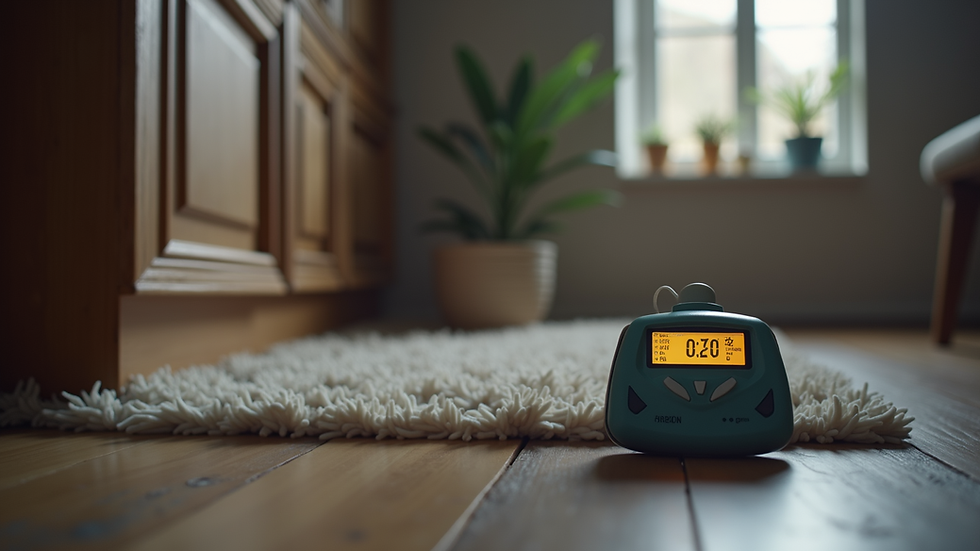
Radon testing is straightforward and can be done in several ways. The most common methods include short-term and long-term testing. Short-term tests last from 2 to 7 days and provide a quick snapshot of radon levels. Long-term tests, which can last from 90 days to a year, give a more accurate picture of average radon exposure.
You can purchase radon test kits online or from hardware stores, or hire a professional to conduct the test. Professional testing is often recommended because it ensures accurate placement of detectors and proper interpretation of results.
Here’s what you can expect during the testing process:
Placement: The test device is placed in the lowest lived-in area of the building, such as a basement or ground floor.
Duration: The device remains undisturbed for the testing period.
Collection: After the test period, the device is sealed and sent to a lab for analysis.
Results: You receive a report detailing radon levels and recommendations if mitigation is needed.
If your test results show elevated radon levels, don’t panic. There are effective mitigation techniques that can reduce radon to safe levels.
Is Radon Overblown?
Some people wonder if the concern around radon is exaggerated. After all, radon is naturally occurring, and not every home has high levels. However, the health risks associated with radon exposure are well-documented by scientific research.
Radon exposure is responsible for thousands of lung cancer deaths annually in the United States alone. The risk increases significantly for smokers, but even non-smokers are vulnerable. Because radon is invisible and odorless, it can go unnoticed until serious health problems develop.
Ignoring radon testing because you think the risk is overblown is a gamble with your health. Testing is inexpensive and easy, while the consequences of ignoring radon can be severe. It’s better to be informed and take action if needed.
What to Do If Your Radon Test Shows High Levels
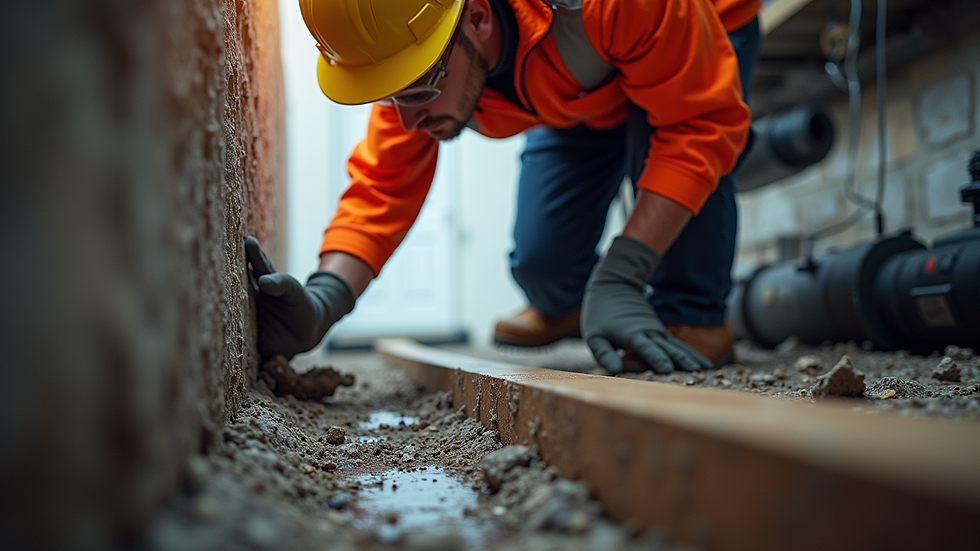
If your radon test indicates levels above the EPA action level of 4 pCi/L, it’s time to take steps to reduce radon in your home or business. Radon mitigation involves techniques that prevent radon from entering or reduce its concentration indoors.
Common mitigation methods include:
Sub-slab Depressurization: A vent pipe system and fan pull radon from beneath the building and release it outside.
Sealing Cracks and Openings: Closing entry points reduces radon infiltration.
Improving Ventilation: Increasing air exchange can lower radon levels.
Crawlspace Ventilation: For homes with crawlspaces, improving ventilation or installing vapor barriers helps.
Hiring a certified radon mitigation professional is the best way to ensure the system is installed correctly and effectively. After mitigation, retesting is essential to confirm radon levels have dropped to a safe range.
Taking these steps not only protects your health but also adds value to your property and reassures occupants.
How to Decide if Is Radon Testing Necessary
You might be asking yourself, is radon testing necessary for your property? The answer is yes, especially if you live in areas known for higher radon potential. Radon levels can vary widely even between neighboring homes, so testing is the only way to know for sure.
Here are some practical tips to help you decide:
Test every home or business, regardless of age or location.
Test after renovations or changes to your building’s foundation.
Test if you are buying or selling property.
Test if you have unexplained health issues or a family history of lung cancer.
Remember, radon testing is a small investment for your health and safety. It’s a simple step that can provide peace of mind and protect your loved ones.
Taking the time to understand and address radon risks is a responsible choice. Testing is easy, affordable, and the first step toward a safer indoor environment. If you find elevated radon levels, professional mitigation can effectively reduce the risk. Protect your home or business today by making radon testing a priority.
Your health and safety are worth it.


Comments